




✈️ Why Planning Ahead Makes Every Trip Better
You’ve found yourself scrolling through Instagram, dreaming of your next adventure. The excitement builds as you imagine wandering through ancient streets, tasting exotic foods, and creating memories that will last a lifetime. But then reality hits – where do you even start? How do you turn those daydreams into an actual trip?
Here’s the truth: every incredible journey begins with smart planning. When you take the time to organize your itinerary thoughtfully, you’re not just booking tickets and hotels – you’re crafting an experience. You’ll avoid the common travel pitfalls that drain your budget and your energy. You’ll discover hidden gems that most tourists miss. And most importantly, you’ll return home feeling fulfilled rather than exhausted.
The secret? A systematic approach that breaks down trip planning into manageable steps. Whether you’re a seasoned traveler or embarking on your first international adventure, these seven steps will transform how you plan. Let’s dive in.

🎯 Step 1: Choose Your Destination and Define Your Travel Style
Before you open a single browser tab, get crystal clear on what you actually want from this trip. Are you seeking adventure and adrenaline, or relaxation and cultural immersion? Do you dream of exploring bustling cities or escaping to pristine nature? Your travel style should drive every decision you make.
Consider these questions to narrow down your options:
- Climate preference: Tropical beaches or mountain adventures? Summer heat or winter snow?
- Budget range: Are you backpacking or seeking luxury experiences?
- Companions: Solo travel, romantic getaway, family vacation, or group adventure?
- Duration: Weekend escape or month-long exploration?
Once you’ve defined your travel style, research destinations that match. Don’t just follow the crowd – sometimes the best discoveries happen when you choose places slightly off the tourist radar. And remember, every destination has different peak seasons. Traveling during shoulder season (spring or fall) often means better weather, smaller crowds, and lower prices.
Need help finding inspiration? The best travel apps can spark ideas based on your interests and budget.
📅 Step 2: Set Your Travel Dates and Establish a Realistic Budget
Timing is everything in travel planning. Your dates affect not just flight prices, but also weather conditions, local events, and crowd levels. If you have flexibility, use it strategically. Flying mid-week (Tuesday or Wednesday) is typically cheaper than weekend flights. Being flexible by just a day or two can save you hundreds of dollars on airfare alone.
Now, let’s talk budget – and be honest with yourself. A realistic budget includes more than just flights and accommodation. Consider these categories:
- Transportation: Flights, trains, buses, taxis, rental cars
- Accommodation: Hotels, hostels, Airbnb, resorts
- Food & Drink: Restaurants, street food, groceries, nightlife
- Activities & Attractions: Tours, museums, excursions, events
- Shopping: Souvenirs, local crafts, clothing
- Contingency: Always set aside 15-20% for unexpected expenses
Here’s a pro tip: use budgeting apps or spreadsheets to track these categories. When you can see exactly where your money is going, you’ll make smarter spending decisions. And remember, budget travel doesn’t mean compromising on experiences – it means being strategic about where you splurge and where you save.
🛫 Step 3: Book Your Flights strategically
Flights often represent the single biggest expense of your trip, so booking smartly matters immensely. Here’s how to find the best deals without spending hours searching every single website:
- Set up price alerts: Most booking sites let you track price changes for specific routes. Set alerts early and book when you see a significant drop.
- Be flexible with airports: Check nearby airports – sometimes flying into a secondary city and taking ground transportation to your destination saves money.
- Clear your browser cookies: Booking sites track your searches and may raise prices when they see you’re interested. Use incognito mode or clear your cache.
- Consider connecting flights: Direct flights are convenient, but connections can significantly reduce costs. Just factor in layover time.
When you’re ready to book, use Trip.com for flights – they offer competitive prices and excellent customer service. And don’t forget travel insurance, especially for international trips. Medical emergencies, trip cancellations, or lost luggage can become financial disasters without proper coverage.
Want to dive deeper into flight booking strategies? Check out our guide on finding the best last-minute flight deals.
🗺️ Step 4: Map Out Your Route and Itinerary Structure
With flights booked, it’s time to design your journey. This is where many travelers make mistakes – trying to see too much in too little time. Here’s the golden rule: less is more. It’s far better to deeply experience 2-3 destinations than to rush through 5-6 cities, seeing nothing more than airport lounges and hotel rooms.
Consider geography when planning your route. Moving in a logical direction (east-to-west or north-to-south) minimizes backtracking and saves both time and money. For multi-city trips within Europe or Asia, trains often beat flights – they’re city-center to city-center, no security lines, and you get to watch the landscape roll by.
Structure your itinerary with a balance of activities:
- Must-see attractions: The iconic sites that drew you to the destination
- Cultural experiences: Museums, local festivals, traditional performances
- Nature time: Parks, beaches, mountains, gardens
- Free time: Wandering neighborhoods, discovering hidden gems spontaneously
For each destination, plan 2-3 major activities per day maximum. This pace allows you to actually enjoy experiences rather than rushing through them. Remember, travel isn’t about checking items off a list – it’s about immersing yourself in new places and cultures.
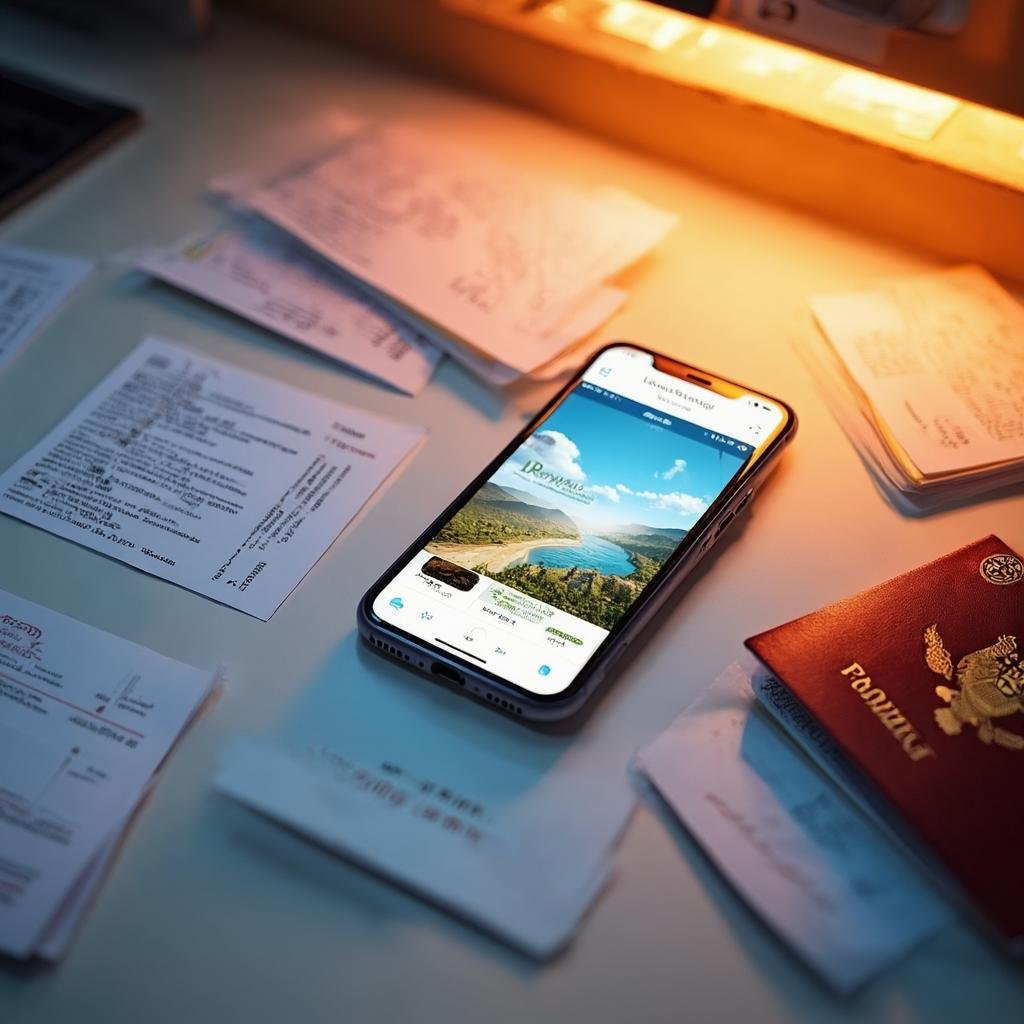
🏨 Step 5: Book Accommodation That Fits Your Needs and Budget
Where you stay can make or break your trip experience. But “best” doesn’t necessarily mean most expensive. The right accommodation depends entirely on your travel style and trip goals. Let’s break down your options:
Hotels: Offer convenience, amenities, and consistency. Great for short stays, business travel, or when you value service and facilities. Look for properties with good reviews and central locations – being able to walk to attractions saves transportation costs and time.
Hostels: Perfect for budget travelers and solo travelers wanting to meet people. Modern hostels offer private rooms and excellent facilities. Plus, they’re social hubs where you can connect with fellow travelers and get local tips from staff who know the area inside out.
Short-term rentals: Ideal for longer stays, groups, or when you want kitchen access. Having a kitchen means you can save money by cooking some meals and experiencing local markets like a resident rather than a tourist.
Boutique properties and guesthouses: Offer character and personalized service. These smaller accommodations often provide authentic local experiences you won’t find in chain hotels.
Regardless of accommodation type, prioritize location and reviews. Being walkable to attractions, restaurants, and public transportation dramatically improves your experience. And always read recent reviews – they reveal things photos can’t show about noise levels, cleanliness, and host responsiveness.
Need accommodation? Book hotels on Trip.com for competitive rates and reliable service.
🎭 Step 6: Plan Activities and Experiences in Advance
This step transforms your trip from sightseeing to experiencing. While spontaneity has its place, booking key experiences in advance ensures availability and often saves money. Many popular tours and attractions sell out weeks in advance, especially during peak season.
Start by identifying your must-do experiences. These are the activities that define your trip – maybe it’s a cooking class in Tuscany, a sunrise hike in Machu Picchu, or a private food tour in Tokyo’s hidden alleys. Book these first, as they’re likely to have limited capacity.
Next, look for activities that offer deeper cultural immersion:
- Guided tours: Local guides provide context and access you’d never get exploring alone
- Workshops and classes: Learn traditional crafts, cooking, or skills from local experts
- Off-the-beaten-path experiences: Ask locals for recommendations, not just travel bloggers
- Seasonal events: Festivals, markets, and cultural celebrations provide authentic experiences
For activities and local experiences, Trip.com has excellent tours and activities with verified reviews and competitive pricing.
Balance planned activities with free time. The best discoveries often happen when you wander without an agenda. Maybe you’ll stumble upon a neighborhood festival, find an incredible hole-in-the-wall restaurant, or make a local friend who invites you to their home. These serendipitous moments are often the most memorable parts of travel.
📱 Step 7: Final Preparation and Essential Tools
You’re almost ready to depart! This final step is about preparation – gathering the documents, information, and tools that will make your journey smooth and stress-free.
Documents: Check passport expiration dates (many countries require 6 months validity), obtain necessary visas, and print copies of important documents. Carry digital copies on your phone too – cloud storage or email attachments work perfectly.
Money: Notify your bank of travel plans to avoid card blocks. Carry a mix of payment methods – credit cards, debit cards, and some local currency. Research whether your destination is card-friendly or cash-dependent.
Packing: Pack light, seriously. Everything you need for a two-week trip fits in a carry-on. Choose versatile clothing that layers well, and bring essential medications and a small first-aid kit. Don’t forget universal adapters and portable chargers – your devices are your lifeline for navigation, communication, and memories.
Travel apps: Download essential apps before you go. Translation apps, offline maps, currency converters, and itinerary managers make everything easier. The ToTourist app is your ultimate travel companion – it uses AI to help you discover destinations, plan trips in seconds, and track your travel memories seamlessly.
Arrange airport transfers in advance, especially if arriving at night or in unfamiliar cities. Book airport transfers on Trip.com for reliable service and peace of mind.
Finally, share your itinerary with someone back home – flight details, accommodation addresses, and emergency contacts. It’s smart safety practice and gives your loved ones peace of mind.
🌟 Ready for Your Best Adventure Yet?
You’ve planned strategically, booked wisely, and prepared thoroughly. Now comes the best part – actually experiencing the trip you’ve envisioned. Remember, even the best-planned trips have unexpected moments. Flights get delayed, weather changes, plans shift. The key is flexibility and attitude. Roll with the unexpected, stay open to new experiences, and trust that some of your best memories will come from the unplanned moments.
Travel planning isn’t about controlling every detail – it’s about setting yourself up for success and freedom. When you’ve done the groundwork, you can relax and truly be present in each moment, confident that you’ve built a solid foundation for an incredible adventure.
Want to see just how easy trip planning can be? Download the ToTourist app and let AI help you discover destinations, plan complete itineraries in seconds, and organize all your travel information in one place. Your next great adventure is just a few taps away.
Safe travels, and may your journey exceed every expectation!