



💰 Why Budget Travel Doesn’t Mean Budget Experiences
Traveling on a budget doesn’t mean sacrificing amazing experiences, staying in sketchy hostels, or missing out on the fun. In fact, some of the most authentic and memorable travel moments happen when you’re smart with your money. The secret isn’t deprivation—it’s optimization. By making strategic choices about where your money goes, you can stretch your budget further while actually enhancing your travel experience.
Think about it: the travelers who blow their budget on expensive hotels and tourist traps often miss the authentic street food scene, the hidden neighborhood cafes, and the local bus adventures that create the best stories. Budget travel forces you to engage more deeply with your destination, and that’s where the magic happens.
We’ve compiled 15 practical ways to save money while traveling that won’t make your trip feel “cheap.” These are proven strategies used by seasoned travelers, digital nomads, and budget-savvy adventurers who know how to experience more for less. Ready to travel smarter? Let’s dive in.
🏨 Accommodation & Transportation: Where to Save Big
1. Travel During Shoulder Season
The difference between peak season prices and shoulder season can be staggering—often 30-50% less on flights, accommodation, and activities. Shoulder season is the sweet spot just before or after peak season. For Europe, that’s April-May and September-October. For Southeast Asia, it’s the rainy season (which is still sunny with short showers). You’ll avoid crowds, enjoy better weather than peak season travelers expect, and save substantial money. Plus, locals are more relaxed and available to chat when they’re not overwhelmed by tourist hordes.
2. Use Alternative Accommodations
Hotels are comfortable, but they’re rarely the best value. Consider vacation rentals through local platforms (not just the big ones), guesthouses run by families, homestays where you can truly experience local life, or even hostels with private rooms. Many budget travelers swear by apartment rentals—having a kitchen lets you shop at local markets and cook some meals, saving money while giving you an authentic taste of daily life. Book accommodations on Trip.com for competitive rates across thousands of destinations.
3. Be Flexible with Flight Dates
If you can shift your travel dates by even a day or two, you might save hundreds. Use fare comparison tools and set up price alerts. Flying mid-week (Tuesday or Wednesday) is almost always cheaper than weekend flights. Also consider flying into alternative airports—sometimes arriving in a nearby city and taking a train or bus to your final destination saves more than the cost of the transfer. Search for flights on Trip.com to compare dates and airports easily.
4. Use Public Transportation Like a Local
Taxis and ride-sharing are convenient, but they add up fast. Research public transportation options before you arrive. Many cities have excellent metro, bus, and tram systems that are cheap, safe, and often faster than sitting in traffic. Buy multi-day passes if you’re staying longer. For between cities, trains and buses are not only cheaper than flights but also offer beautiful scenery and the chance to meet locals. In places like Southeast Asia, overnight buses can save you both transportation costs and a night of accommodation.
🍜 Food & Dining: Eat Better for Less
5. Eat Where the Locals Eat
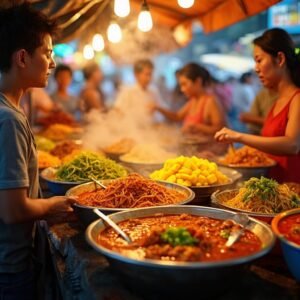
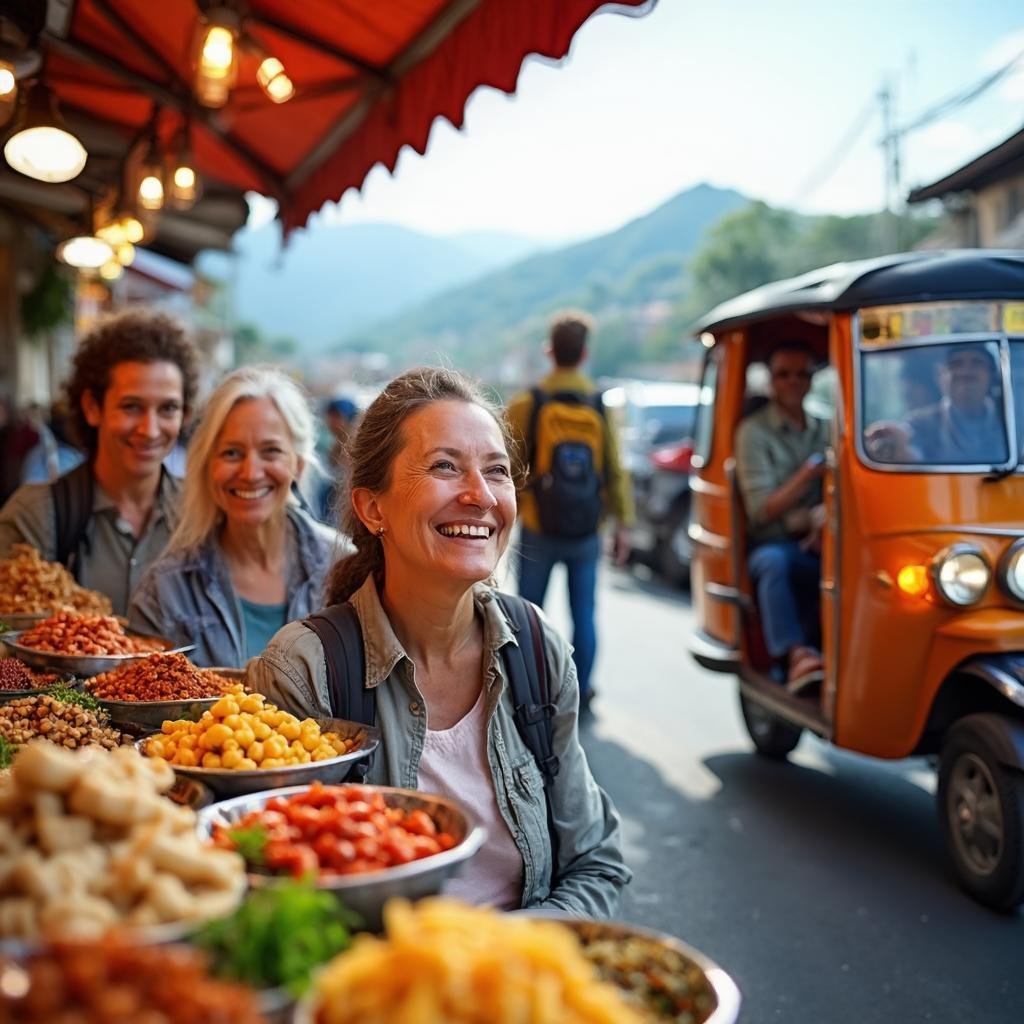
The golden rule of budget dining: avoid restaurants with menus in five languages and photos of food outside. Instead, follow the locals. Busy places with handwritten menus in the local language? That’s where you want to be. Street food is often the best value—safe when you choose busy stalls with high turnover. You’ll get authentic flavors at a fraction of restaurant prices, and the experience of eating among locals is priceless. Don’t be afraid of places that look basic—some of the best meals come from tiny family-run spots that haven’t changed in decades.
6. Cook Some of Your Own Meals
You don’t need to become a chef, but buying fresh ingredients from local markets and preparing simple meals saves money and connects you to local food culture. Breakfast is easy—local bread, cheese, fruit, and coffee from a neighborhood café costs a fraction of hotel breakfast prices. Even one homemade meal per day can save $10-15, which adds up to $100+ per week. Plus, shopping at markets is an experience in itself, giving you insight into local ingredients and daily life.
7. Happy Hour is Your Friend
Many restaurants and bars offer significant discounts during happy hour, typically 4-7pm. This isn’t just about drinks—many places have discounted appetizers or even full meals. Time one of your daily meals to hit happy hour, and you’ll eat well for half price. In some cultures, like Spain’s tapas tradition, drinks come with free or cheap food. Do your research and plan accordingly. Your wallet will thank you.
8. BYOB (Bring Your Own Bottle)
In many countries, restaurant markups on alcohol are astronomical. Buy wine, beer, or spirits at local supermarkets and enjoy a pre-dinner drink at your accommodation or a scenic park. Some restaurants allow corkage for a small fee, which still saves you money. You can also pack a reusable water bottle and refill it from fountains or filtered water stations—avoiding expensive bottled water not only saves money but reduces plastic waste.
🎯 Sightseeing & Activities: Quality Over Quantity
9. Prioritize Free Attractions
Every destination has incredible free experiences if you know where to look. Public beaches, hiking trails, parks, religious sites, markets, and walking tours are often free or donation-based. Many museums have free days or hours—research before you go. Street performances, festivals, and local events provide entertainment at no cost. The best part? These experiences are often more authentic than paid attractions that cater specifically to tourists.
10. Use City Tourism Cards Wisely
Many cities offer tourism cards that include public transportation and free or discounted admission to multiple attractions. These can be excellent value IF you’ll actually use them. Do the math before buying—calculate what you’d pay separately for the attractions and transportation you genuinely want to visit. Don’t buy a card just because it seems like a deal if you’ll feel pressured to visit attractions you’re not interested in just to “get your money’s worth.”
11. Book Activities Directly or Through Reputable Platforms
Tourist agencies and hotel desks often charge significant markups on tours and activities. Book directly with tour operators or use reputable online platforms where you can read reviews and compare prices. Skip the “official-looking” agencies that target tourists on the street—they’re overpriced and often push mediocre experiences. Instead, research operators beforehand or ask locals for recommendations. Book activities and tours on Trip.com for transparent pricing and verified reviews.
12. Embrace the Art of Walking
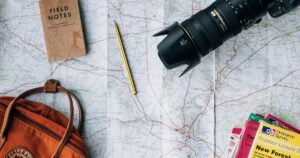
Not only is walking free, it’s the best way to discover a city. You’ll stumble across hidden gems that never make it into guidebooks—cozy cafes, street art, local markets, and unexpected viewpoints. Walking gives you the freedom to stop whenever something catches your eye. Many cities are surprisingly walkable once you get oriented, and you’ll save money on transportation while getting exercise and authentic experiences. Just wear comfortable shoes and carry a map or download offline maps.
💳 Money Management: Stop Leaking Cash
13. Avoid ATM and Foreign Exchange Fees
These fees silently drain your budget. Before traveling, get a credit card with no foreign transaction fees and a debit card that reimburses ATM fees worldwide. Exchange currency at local banks, not airport kiosps or hotels—their rates are terrible. Use a currency conversion app to know exactly what you’re paying. Consider carrying some cash in the local currency for small purchases, as some places don’t accept cards and card fees can add up.
14. Set a Daily Budget and Track Spending
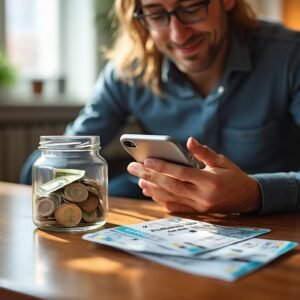
It’s hard to save money if you don’t know where it’s going. Set a realistic daily budget for accommodation, food, activities, and transportation. Use a simple spreadsheet or app to track your spending—you might be surprised where your money actually goes. Review your spending weekly and adjust if needed. This isn’t about deprivation—it’s about conscious spending. When you know exactly what you’re spending, you can make intentional choices about what matters most to you.
15. Leverage Travel Apps and Rewards
Technology is your ally in budget travel. The ToTourist app uses AI to help you plan efficient itineraries that save both time and money by optimizing routes and suggesting budget-friendly options. Look into airline rewards programs, credit card points, and hotel loyalty programs—even if you don’t travel frequently, the perks can add up over time. Many travel apps offer discounts on bookings, and price comparison tools ensure you’re getting the best deal.
✨ The Mindset That Makes Budget Travel Work
Here’s the truth about successful budget travelers: they’re not necessarily spending less—they’re spending differently. They’re prioritizing experiences over comfort items, authenticity over convenience, and connection over consumption. Every dollar saved on an overpriced hotel is a dollar that can be spent on a cooking class, a day trip to a village, or an extra week on the road.
Remember: some of your most cherished travel memories won’t come from expensive restaurants or luxury tours. They’ll come from the $2 street meal that changed how you think about food, the conversation with a local on a long bus ride, the sunrise you watched because you got up early to beat the crowds. These experiences are free—or nearly free—and they’re the ones that stay with you forever.
Smart travel planning makes all the difference. Use the ToTourist app to plan your trips efficiently, discover budget-friendly activities, and make the most of your travel budget. When you combine these money-saving strategies with smart planning, you’ll find that you can travel longer, go further, and experience more—all without feeling deprived. After all, the best journeys aren’t the most expensive ones. They’re the ones that change you.