




🛡️ Why Solo Travel Safety Matters More Than Ever
Traveling alone is one of the most rewarding experiences you can have. The freedom to explore at your own pace, make spontaneous decisions, and connect with locals on a deeper level is unmatched. But let’s be real: solo travel also comes with unique challenges, and safety should always be your top priority. Whether you’re embarking on your first solo adventure or you’re a seasoned solo traveler, these seven essential safety tips will help you explore the world with confidence and peace of mind.
The good news? Solo travel doesn’t have to be risky. With the right preparation and smart habits, you can minimize risks and maximize enjoyment. This guide covers everything from pre-trip planning to on-the-ground safety strategies, so you can focus on creating memories instead of worrying about what could go wrong. Ready to travel smarter and safer? Let’s dive in.
📋 Research Before You Go: Knowledge Is Power
The foundation of safe solo travel starts long before you pack your bags. Investing time in thorough research about your destination can save you from countless headaches and dangerous situations. Start by checking your government’s travel advisories for the latest safety information, visa requirements, and health recommendations. These advisories provide up-to-date information on political stability, crime rates, and regional risks that could affect your trip.
Don’t stop at official advisories. Dive into recent travel blogs and forums from other solo travelers who’ve visited your destination recently. Their firsthand experiences offer valuable insights that official sources might miss. Pay attention to common warnings about specific neighborhoods, transportation scams, or cultural customs you should respect. Join Facebook groups or subreddits dedicated to solo travel – these communities are goldmines for real-time advice and support from fellow adventurers.
Research local emergency numbers and save them in your phone and on a physical note. Many countries use different emergency numbers than 911. Also, identify the locations of police stations, hospitals, and your country’s embassy or consulate. When booking accommodation, look for places in safe neighborhoods with good reviews from other solo travelers, especially female travelers if that applies to you. Read between the lines of reviews – multiple mentions of noise issues, sketchy surroundings, or poor security are red flags.
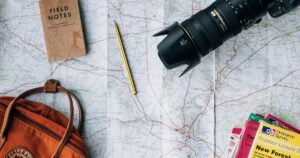
Download offline maps of your destination before you leave. Google Maps allows you to download entire city areas for offline use, which is a lifesaver when you’re lost without reliable internet. Research local transportation options and identify safe, reliable ways to get around. Book your flights with reputable airlines and consider travel insurance that covers medical emergencies and trip cancellations – it’s a small price for peace of mind.
🎒 Pack Smart: What to Bring (And What to Leave Behind)
Your packing choices directly impact your safety on the road. The golden rule? Pack light and pack smart. Carrying a heavy, overloaded bag makes you a target for theft and limits your mobility if you need to quickly exit a dangerous situation. Aim for a single carry-on and a small day pack – if you can’t lift it comfortably above your head, it’s too heavy. Choose a backpack with lockable zippers and wear it on your front in crowded areas.
Invest in a good money belt or neck wallet for essential items – but don’t make it obvious you’re using one. Keep your phone, wallet, and passport secure in a zippered, slash-resistant bag. Never carry all your valuables in one place. Distribute cash, cards, and important documents between different pockets and bags. If one gets stolen or lost, you won’t be stranded without resources.

Bring a portable door lock for extra security in budget accommodations. These small devices prevent anyone from entering your room, even with a key or passcard. They’re lightweight, inexpensive, and provide invaluable peace of mind, especially for female solo travelers. A small combination lock is also useful for securing lockers in hostels or zipping your backpack shut during transit.
Pack copies of important documents: passport, visa, travel insurance policy, and itinerary. Store digital copies in cloud storage and physical copies separate from the originals. Keep a list of emergency contacts, including your bank’s international phone numbers to report lost or stolen cards. Consider bringing a spare debit or credit card from a different bank – if one gets compromised, you have a backup.
Don’t forget practical safety items: a basic first-aid kit, hand sanitizer, a flashlight, and a portable phone charger. A whistle can attract attention if you’re in danger, and a small door wedge can prevent unwanted entry. If you’re traveling to areas with high mosquito activity, pack insect repellent and consider a mosquito net. Book activities and tours through reputable platforms that offer secure payment and cancellation policies.
🏨 Stay Secure: Choosing Safe Accommodation
Where you stay can make or break your solo travel experience. Accommodation isn’t just about comfort – it’s your home base and sanctuary on the road. When choosing where to stay, prioritize safety over budget savings. While it’s tempting to book the cheapest option available, sacrificing safety for a few dollars isn’t worth the risk.
Read reviews carefully, focusing on safety-related comments from recent solo travelers. Look for mentions of secure entrances, 24-hour reception, lockers, and safe neighborhoods. If a property has multiple complaints about cleanliness, security, or unfriendly staff, keep looking. Booking platforms like Booking.com and Hostelworld allow you to filter by recent reviews – use this feature to get current information.
For solo travelers, hostels can be great for meeting people, but choose wisely. Look for hostels with female-only dorms if you’re a woman traveling alone, and prioritize those with good security measures like keycard access and locker rooms. Private rooms are worth the extra investment for peace of mind, especially if you’re new to solo travel. Consider the location carefully – staying in well-lit, central areas might cost more but saves you from risky transit situations at night.
Once you arrive, take a few minutes to assess your accommodation security. Check that windows and doors lock properly from the inside. If something feels off – sketchy surroundings, unfriendly staff, or poor security – trust your instincts and consider moving to another place. It’s better to lose a night’s accommodation fee than compromise your safety. Store valuables in the room safe or secure lockers, and keep your phone charged and within reach at night.
The ToTourist app can help you find safe, highly-rated accommodations based on real traveler reviews. Download the app to discover safe neighborhoods and read up-to-date accommodation ratings before you book. Having all this information at your fingertips makes it easier to make informed decisions about where to stay, even in unfamiliar destinations.
🚶 Blend In: The Art of Not Looking Like a Tourist
One of the most effective solo travel safety strategies is also the simplest: don’t look like an obvious tourist. Scammers and petty thieves target people who appear lost, confused, or unfamiliar with their surroundings. By blending in with locals, you dramatically reduce your risk of becoming a target.
Dress like locals do. In many destinations, flashy jewelry, expensive watches, and designer clothes mark you as a wealthy tourist worth targeting. Research local dress customs and pack accordingly – not only does this help you blend in, it also shows respect for local culture. In conservative countries, modest clothing prevents unwanted attention and helps you avoid cultural offenses.
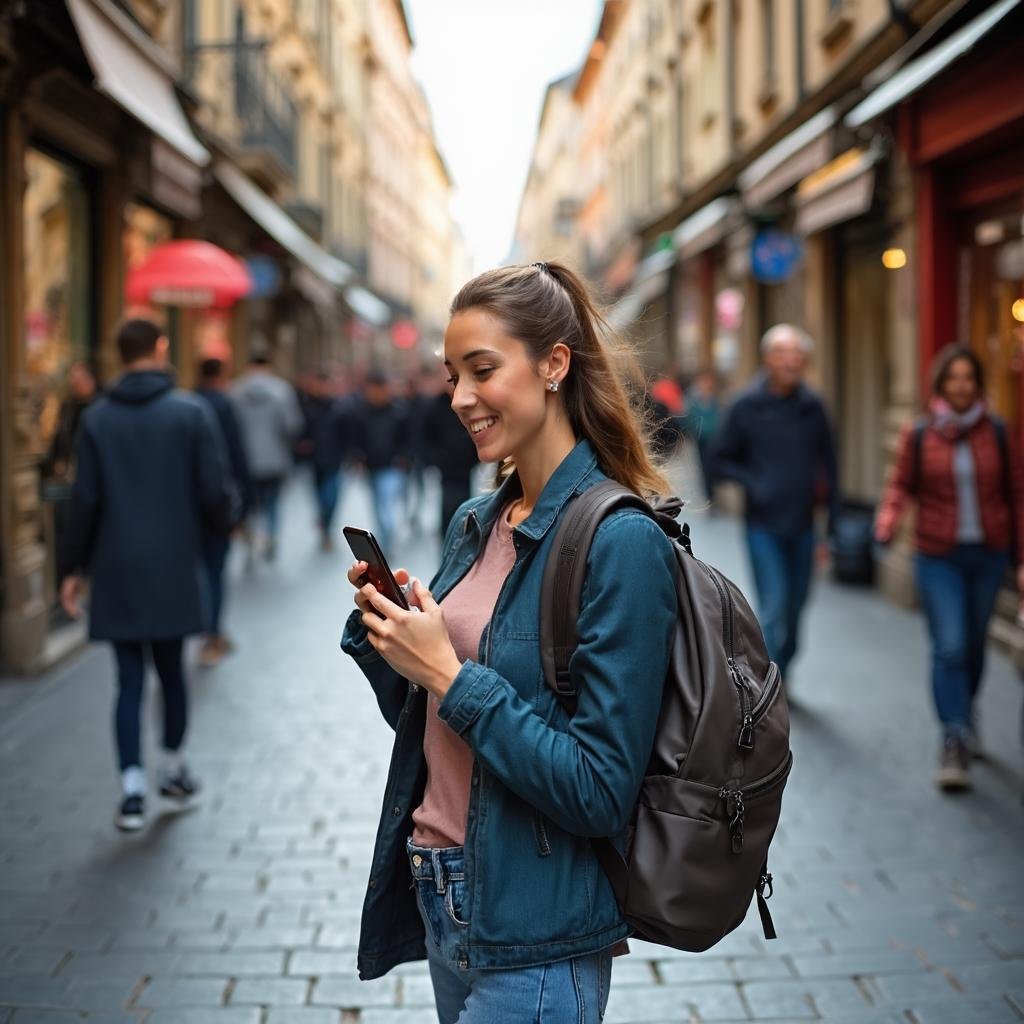
Be mindful of your behavior in public. Avoid pulling out large maps or guidebooks in open areas – study your route in advance or step into a café or shop to check your directions. Keep your phone usage discreet in crowded places. When taking photos, be aware of your surroundings and don’t leave expensive camera equipment unattended or dangling from your shoulder.
Confidence is your best camouflage. Even when you’re completely lost, try to walk with purpose and act like you know where you’re going. If you need directions, choose your approach carefully – ask staff in shops or restaurants rather than random people on the street. If someone approaches you unsolicited with offers of help, tours, or deals, politely decline and keep moving. These are often scams targeting confused tourists.
Learn a few key phrases in the local language. Being able to say “thank you,” “excuse me,” and “I don’t understand” in the local tongue shows respect and can help diffuse tense situations. It also makes you seem less like a clueless tourist and more like someone making an effort to engage with the local culture. Carry yourself with awareness – walk with your head up, scan your surroundings, and trust your instincts if something feels wrong.
📱 Stay Connected: Communication and Navigation
In today’s connected world, staying safe means staying connected. Your smartphone is your most powerful travel safety tool – when used correctly. Before your trip, ensure your phone is unlocked and capable of using local SIM cards or international plans. Research mobile data options in your destination – having reliable internet access is crucial for navigation, communication, and accessing emergency information.
Share your itinerary with someone you trust back home. Include flight details, accommodation addresses, and planned activities. Check in regularly, especially when changing locations. Many travelers find it helpful to create a simple spreadsheet with accommodation details and share it with family members. Consider using location-sharing features like Google Maps’ real-time sharing for specific periods when you’re traveling between destinations.
Download essential apps before you leave home. A translation app with offline capabilities, offline maps, local ride-sharing apps, and emergency service apps should be on your phone. The ToTourist app provides AI-powered travel planning, itinerary management, and local recommendations – all essential tools for safe, confident solo travel. Book airport transfers in advance to avoid sketchy taxi situations when you arrive exhausted and disoriented.
Keep your phone charged at all times. Carry a portable charger and cable, and use battery-saving mode when you’re not actively using your phone. Identify cafes and restaurants with free Wi-Fi where you can stop to check directions or send messages. Many public spaces and transit hubs offer free charging stations – use them when available, but never leave your phone unattended, even for a minute.
Have a backup plan for communication. If your phone is lost, stolen, or runs out of battery, know how to contact people. Memorize important phone numbers or write them down. Carry a small notepad with your hotel name and address written in the local language – this is invaluable if you need to show it to taxi drivers or ask for directions. Consider carrying a cheap backup phone or SIM card for emergencies.
🌙 Nighttime Safety: When Caution Counts Most
Most travel safety incidents occur at night, and solo travelers are particularly vulnerable after dark. This doesn’t mean you have to hide in your room every evening – many destinations have vibrant, safe nightlife scenes. But it does mean you need to be extra cautious and plan ahead for nighttime activities.
If you’re planning to be out at night, research your route in advance. Know how you’ll get back to your accommodation and identify safe areas to avoid. In many cities, certain neighborhoods become dangerous after dark – ask locals or your accommodation staff for current advice about which areas to steer clear of. Stick to well-lit, populated streets and take main roads rather than shortcuts through alleys or parks.
Limit your alcohol consumption. Getting drunk alone in an unfamiliar place is one of the riskiest things you can do as a solo traveler. Alcohol impairs judgment, makes you less aware of your surroundings, and can lead to situations you’d never encounter sober. If you’re going to drink, know your limits and alternate alcoholic drinks with water. Never leave your drink unattended – drink spiking is a real concern, especially for female travelers.
Choose nightlife venues carefully. Look for bars, clubs, and restaurants in safe areas with good security measures. Avoid places that seem empty or sketchy – there’s usually a reason for that. If a situation feels uncomfortable, don’t hesitate to leave. Trust your instincts. It’s better to end an evening early than to find yourself in a dangerous situation. Consider meeting other travelers during the day and exploring nightlife together – there’s safety in numbers.
Have a backup plan for getting home. Before you go out, save the number of a reputable taxi company or ride-sharing app. If you’re not sure how you’ll get back, don’t go. Many accommodations have partnerships with trusted taxi services – ask your front desk for recommendations. If you find yourself in an uncomfortable situation, don’t be afraid to approach staff at a nearby establishment and ask for help. Most people will assist a traveler in distress.
🤝 Trust Your Instincts: Your Best Safety Tool
All the safety tips in the world won’t help if you ignore your gut instincts. Evolution gave humans intuition for a reason – it’s your brain processing subtle signals that you’re not consciously aware of. When something feels wrong, it probably is. Solo travelers who consistently stay safe are the ones who trust their instincts and act on them, even if it means deviating from plans or seeming rude.
If a person, place, or situation makes you uncomfortable, remove yourself immediately. Don’t worry about being polite – your safety is more important than social niceties. If someone approaches you and something feels off, firmly say no and walk away. If you’re on a date or meet-up that takes a weird turn, don’t hesitate to leave. Better to be wrong and awkward than right and in danger.
Create exit strategies before you need them. When you enter a new place, always identify the exits and safe routes out. If you’re meeting someone new, do so in a public place during daylight hours and let someone know where you’re going. Have a code phrase or text message arranged with a friend or family member – if you send it, they know to call you with an “emergency” that gives you an excuse to leave.
Don’t let the fear of missing out (FOMO) override your safety instincts. It’s tempting to accept every invitation, especially when you’re eager to connect with people. But not every opportunity is worth taking. Decline invitations that feel risky or make you uncomfortable. There will always be other chances to meet people and have fun. Remember: solo travel is a marathon, not a sprint – preserving your safety and wellbeing allows you to keep traveling for the long term.
Check out our guide on using the short planner when you only have a few hours in a city for quick itinerary tips that keep you moving efficiently and safely. And if you’re planning multiple destinations, our multi-city trip planning guide offers strategies for smooth, safe transitions between locations.
✈️ Travel Smart, Stay Safe
Solo travel is one of life’s greatest adventures, but it demands respect and preparation. By researching thoroughly, packing smartly, choosing safe accommodation, blending in, staying connected, being cautious at night, and – most importantly – trusting your instincts, you’ll set yourself up for safe, rewarding journeys. The world is full of friendly people and amazing experiences waiting for you. Don’t let fear keep you from exploring it.
Remember that safety is about awareness, not paranoia. Solo travelers who stay safe aren’t constantly looking over their shoulders in fear – they’re simply aware of their surroundings, make smart decisions, and trust their gut. With these strategies in your toolkit, you can explore confidently, knowing you’re prepared for whatever comes your way.
Ready to start planning your next solo adventure? The ToTourist app can help you create safe, well-researched itineraries, find reputable accommodations, and discover authentic local experiences. Our AI-powered planning takes the stress out of trip preparation, so you can focus on what matters: enjoying your journey. Book your hotels through Trip.com for competitive rates and secure booking, and set off on your solo adventure with confidence.
The world is waiting – explore it safely and make memories that will last a lifetime.