






✈️ Air India’s Massive Aircraft Orders: A Game-Changer for Indian Aviation
The aviation world is buzzing with excitement as Air India finalizes one of the largest aircraft orders in commercial aviation history. This monumental fleet expansion represents far more than just new planes for one airline – it signals a fundamental shift in India’s aviation landscape and presents exciting new opportunities for travelers. Our travel experts have been analyzing what this means for the future of travel to and within India.
🗺️ Why This Matters for Your Next Trip
Air India’s massive aircraft acquisition has implications that extend far beyond the airline itself. For travelers, this expansion signals a transformation in the Indian aviation market that will directly impact your future travel experiences. Let’s explore the most significant benefits you can expect:
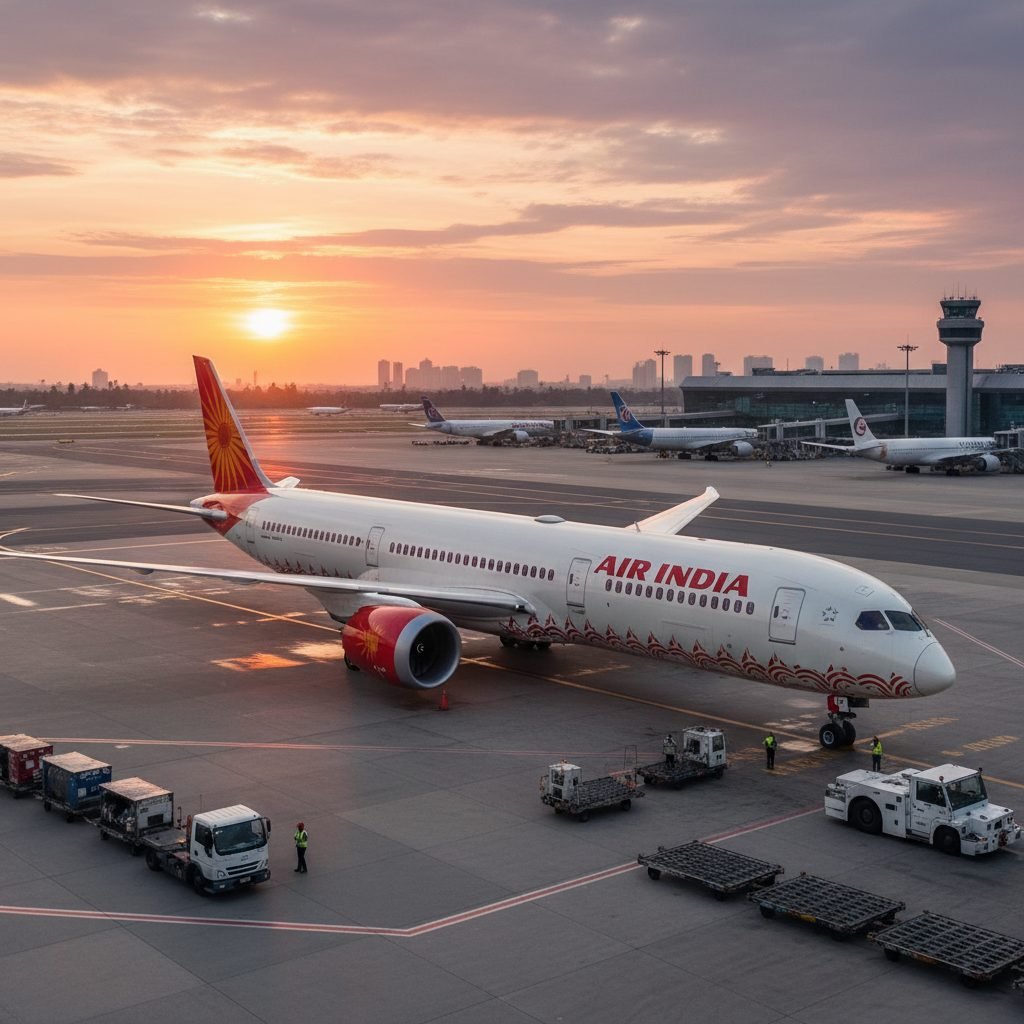
The scale of Air India’s recent aircraft orders is truly staggering. With commitments for hundreds of new aircraft from both Boeing and Airbus, including wide-body long-haul aircraft and single-aisle workhorses, the airline is positioning itself for dramatic growth across both international and domestic markets. This unprecedented fleet renewal plan represents one of the most ambitious airline transformations in recent history.
For travelers, this massive investment translates into tangible benefits that will reshape the experience of flying to, from, and within India. The first and most obvious change will be a dramatic improvement in onboard comfort and amenities. The aging fleet that has long been a pain point for Air India passengers will be replaced with state-of-the-art aircraft featuring modern interiors, enhanced entertainment systems, and improved cabin comfort.
International travelers will particularly benefit from the expansion of long-haul routes made possible by new wide-body aircraft. We anticipate significant growth in non-stop options between major global cities and Indian destinations, eliminating the need for connections through Middle Eastern or European hubs. This means shorter travel times, reduced jet lag, and a more seamless journey.
The domestic market will also see substantial improvements as new single-aisle aircraft enter service. Travelers can expect more frequent flights, expanded route networks reaching secondary cities, and potentially more competitive pricing as capacity increases. For those exploring India’s diverse regions, this expanded network will make it easier to build comprehensive multi-city itineraries.
- More route options: The fleet expansion will enable Air India to launch new routes and increase frequency on existing ones, giving travelers more choices for reaching their destinations. This is particularly beneficial for connecting smaller Indian cities to international destinations.
- Enhanced comfort: New aircraft bring modern amenities, improved seat comfort, better in-flight entertainment, and more reliable service – transforming the passenger experience.
- Competitive pricing: As capacity increases and Air India positions itself as a global competitor, travelers may benefit from more competitive pricing on key routes as airlines vie for market share.
- Economic boost for destinations: Increased connectivity means more tourists and business travelers reaching Indian destinations, potentially leading to improved infrastructure and services in these locations.
- Environmental improvements: Modern aircraft are significantly more fuel-efficient than older models, reducing the carbon footprint of your journey to India.
Ready to experience the transformation of Indian aviation firsthand? Check the latest flight deals to India on Trip.com.
💡 How Air India’s Orders Reflect India’s Aviation Growth Story
To truly understand the significance of Air India’s aircraft orders, we need to look at the broader context of India’s aviation market. What we’re witnessing isn’t just one airline’s expansion – it’s a reflection of India’s emergence as one of the world’s most important aviation markets.
India is poised to become the world’s third-largest aviation market within the next decade. With a growing middle class numbering in the hundreds of millions, rising disposable incomes, and a population increasingly keen to travel both domestically and internationally, the foundations for sustained aviation growth are firmly in place.
In recent years, aircraft orders have become the clearest indicator of how seriously India’s aviation potential is being taken. While passenger numbers fluctuate with economic conditions and external factors like pandemics, long-term fleet commitments represent airlines’ and manufacturers’ confidence in the market’s future trajectory.
Air India’s massive orders come against a backdrop of other significant aircraft commitments from Indian carriers. Together, these orders position India as one of the most important markets for both Boeing and Airbus in the coming decades. For travelers, this manufacturer competition translates into newer aircraft technologies being deployed in the Indian market.
The privatization of Air India has been a catalyst for these developments. Under the ownership of the Tata Group, the airline has gained access to the capital necessary for this ambitious fleet renewal and expansion. The transformation of Air India from a struggling state-owned carrier to a reinvigorated private airline with global ambitions represents a microcosm of India’s broader economic liberalization and growth story.
What’s particularly noteworthy about Air India’s orders is their balanced approach between domestic and international growth. By ordering both narrow-body aircraft for shorter routes and wide-body jets for long-haul operations, the airline is positioning itself to capture growth across all segments of the market.
This strategic positioning will have direct benefits for travelers. Those flying internationally will see Air India emerge as a more credible alternative to established Gulf carriers and Asian airlines, with newer aircraft, improved service standards, and expanded route networks. Domestic travelers will benefit from better connectivity and potentially more competitive pricing as capacity increases.
Looking for great places to stay in India for your next trip? Browse affordable hotels on Trip.com.
🌐 How to Plan Your Trip to India in the New Aviation Era
With Air India’s transformation and the broader evolution of the Indian aviation market, it’s a perfect time to plan your Indian adventure. Here’s how to make the most of these new developments:
- Consider direct flights: As Air India expands its long-haul fleet, look for new non-stop options from your home city to Indian destinations. Direct flights save time and reduce the stress of connections, particularly valuable on longer journeys.
- Explore secondary destinations: The expanded domestic fleet will improve connectivity to India’s less-visited gems. Consider adding cities beyond Delhi, Mumbai, and Bangalore to your itinerary to experience India’s incredible diversity.
- Book in advance for new routes: When airlines launch new routes, they often offer promotional fares. Keep an eye on Air India’s route announcements and be ready to book when new destinations are added to their network.
- Consider multi-city itineraries: With improved domestic connectivity, it’s becoming easier to create efficient multi-city tours of India. Rather than backtracking to a single hub, you can often create more logical routes between destinations.
- Compare alliance benefits: As Air India continues its integration with the Star Alliance, consider how this might benefit your journey through shared lounges, seamless connections, and frequent flyer point accumulation.
- Monitor service improvements: Air India’s fleet renewal will be accompanied by service enhancements. Look for reviews of their new products and services as they roll out across the network.
- Stay flexible with dates: As capacity increases, pricing may become more dynamic. Having flexibility with your travel dates can help you secure the best deals as competition intensifies.
One of the most exciting aspects of Air India’s transformation is the potential for new direct routes connecting major global cities with Indian destinations. For travelers from North America, Europe, and Australia, this could mean significantly reduced travel times and the elimination of sometimes tedious layovers.
When planning your trip, also consider how Air India’s fleet renewal might influence your choice of cabin class. The introduction of new aircraft typically brings redesigned premium cabins that can offer significantly better value than previous generations, especially on longer routes where comfort makes a substantial difference to your travel experience.
Want to explore India’s incredible destinations? Check out amazing tours and activities on Trip.com.
🎯 Expert Analysis: What Air India’s Transformation Means for Global Aviation
Looking beyond the immediate benefits for travelers, Air India’s massive aircraft orders signal several significant shifts in the global aviation landscape that will shape travel patterns for decades to come:
First, we’re seeing a clear eastward shift in aviation’s center of gravity. While North American and European markets remain important, the industry’s future growth is increasingly concentrated in Asia, with India and China leading the way. Air India’s orders reflect manufacturers’ recognition that these markets will drive aircraft demand for the foreseeable future.
Second, Air India’s transformation represents a direct challenge to the established Gulf carriers that have dominated east-west traffic flows for the past two decades. With a modernized fleet and the geographic advantage of India’s position, Air India could recapture significant market share on routes between Europe, North America, and Asia that currently flow through Middle Eastern hubs.
Third, this development signals a potential realignment of global airline alliances in the region. As Air India strengthens its position, its role within the Star Alliance grows in importance, potentially shifting alliance dynamics in the vital Asian market.
Finally, Air India’s orders represent a vote of confidence in post-pandemic air travel recovery. By committing to hundreds of new aircraft for delivery over the coming years, the airline is making a clear statement about long-term growth prospects despite the challenges the industry has recently faced.
For travelers, these broader industry shifts translate into more choices, potentially lower prices as competition intensifies, and accelerated introduction of new technologies and services as airlines vie for premium passengers on key international routes.
Need airport transfers in India? Book reliable airport transfer services through Trip.com.
📌 Key Takeaways
- Air India’s historic aircraft orders represent one of the largest fleet renewals in aviation history and signal India’s emergence as a global aviation powerhouse.
- For travelers, this transformation means more direct routes, enhanced onboard experiences, potentially competitive pricing, and improved connectivity throughout India and beyond.
- The orders reflect broader confidence in India’s aviation growth story, with aircraft commitments becoming the clearest indicator of the market’s future importance.
- Air India’s privatization and subsequent fleet investments challenge established carriers, particularly those in the Middle East that have dominated east-west traffic flows.
- When planning travel to or within India, consider direct flight options, explore secondary destinations with improved connectivity, and stay alert for new route announcements and promotional fares.
- The transformation of Indian aviation creates excellent opportunities for travelers to experience this diverse and fascinating country with greater ease and comfort than ever before.
As Air India’s ambitious fleet renewal plans unfold over the coming years, we’ll continue to monitor the developments and what they mean for travelers. The renaissance of this historic airline and the broader evolution of Indian aviation represent one of the most significant shifts in global air travel patterns in decades, creating exciting new possibilities for travelers exploring this incredible region.