



💰 15 Genius Ways to Save Money While Traveling in 2026
Traveling doesn’t have to break the bank! With smart strategies and a little planning, you can explore the world without draining your savings account. In this comprehensive guide, we’ll share 15 proven money-saving techniques that will help you travel more for less in 2026. From booking hacks to daily spending strategies, these tips will transform how you approach travel budgeting.
🎯 Master Flight Booking Strategies
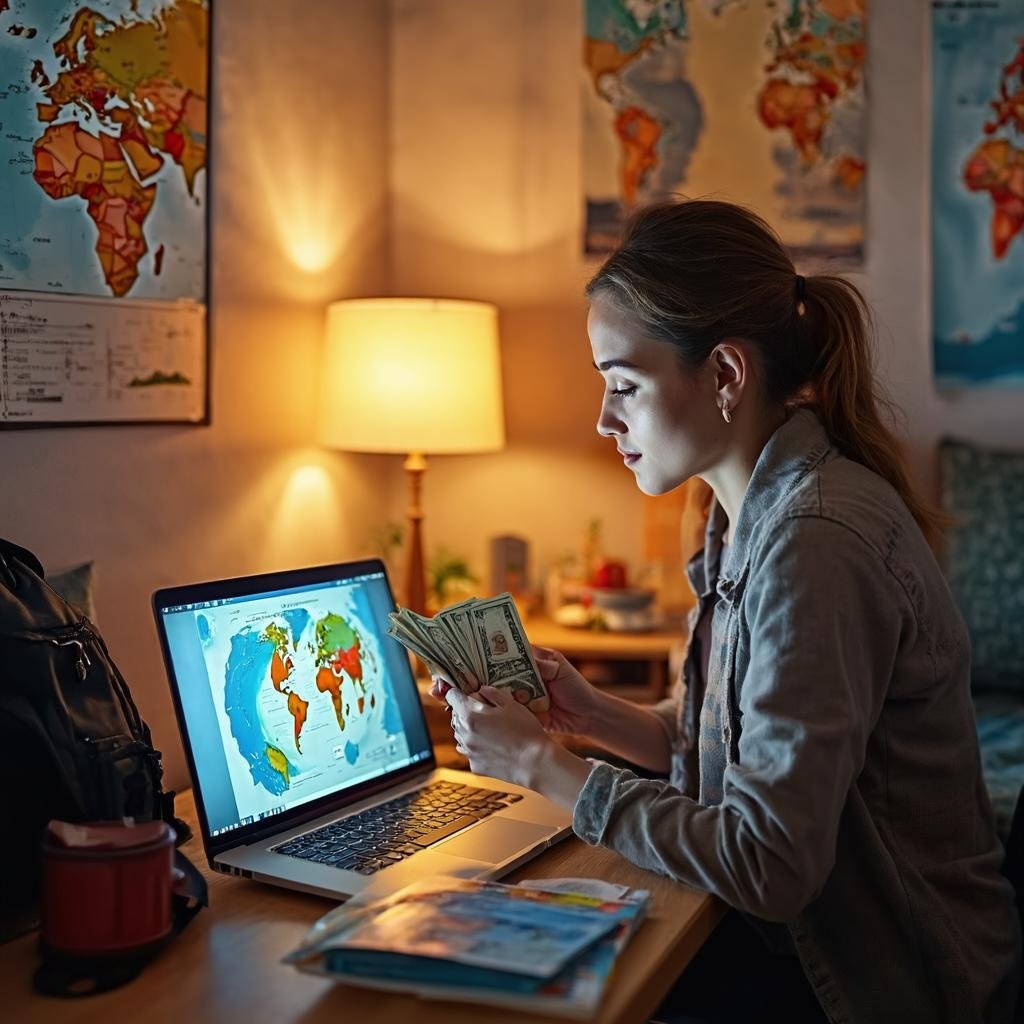
Flights are often the biggest expense in any trip, but with the right approach, you can save hundreds of dollars. Start by being flexible with your travel dates – flying on Tuesdays, Wednesdays, and Saturdays is typically cheaper than weekends. Use Google Flights’ price calendar to spot the cheapest dates, and consider nearby airports that might offer better deals.
Book flights 6-8 weeks in advance for domestic trips and 2-3 months ahead for international flights. Tuesday afternoons (3-5 PM local time) are when airlines often release discounted seats. Set up price alerts on Google Flights or Hopper to track fare drops and get notified when prices drop.
For even bigger savings, consider alternative airports. Flying into a secondary airport might require additional ground transportation, but the flight savings often outweigh the extra cost. Also, one-way tickets can sometimes be cheaper than round-trip when booked separately with different airlines.
Don’t forget to check budget airlines like Ryanair, Wizz Air, or Pegasus for European travel, or Spirit and Frontier for domestic US flights. Just be aware of their baggage policies and factor in those costs when comparing prices.
For the best deals, use our Trip.com affiliate link to search for flights and compare prices across multiple airlines: Book flights on Trip.com
🏨 Accommodation Hacks for Budget Travelers
Where you stay can make or break your travel budget. Instead of expensive hotels, consider these alternatives that offer great value. Hostels are no longer just for backpackers – many now offer private rooms, modern amenities, and social spaces that make them perfect for all types of travelers.
Apartments and vacation rentals through platforms like Airbnb or VRBO can be significantly cheaper than hotels, especially for longer stays. You’ll also have access to a kitchen, which saves money on meals. Look for properties outside the city center – transportation costs are usually offset by lower accommodation prices.
House-sitting is an incredible way to stay for free while traveling. Websites like Trusted Housesitters connect homeowners with travelers willing to care for their pets and homes in exchange for free accommodation. This is perfect for longer stays and gives you an authentic local experience.
Consider house-swapping through platforms like HomeExchange. You swap homes with another traveler, giving you free accommodation in their home while they stay in yours. This works best for longer exchanges and requires some planning.
For budget hotel stays, use our Trip.com hotel search to find the best deals: Find budget hotels on Trip.com
🍽️ Eat Like a Local Without Breaking the Bank
Food expenses can quickly add up, but with these strategies, you’ll enjoy amazing local cuisine while keeping costs down. The golden rule is: eat where locals eat. Avoid restaurants in tourist-heavy areas and head to neighborhoods where residents actually dine.
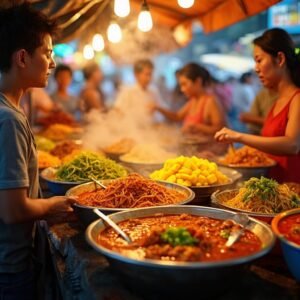
Street food is often the most authentic and affordable option. In cities like Bangkok, Mexico City, or Istanbul, you can find delicious, safe street food for a fraction of restaurant prices. Look for busy stalls with high turnover – this ensures freshness and quality.
Take advantage of happy hours and lunch specials. Many restaurants offer discounted menus during off-peak hours. In Europe, look for “menu del día” in Spain or “formule déjeuner” in France – these are fixed-price menus that offer great value.
Shop at local markets and cook your own meals when possible. Not only will this save you money, but it’s also a cultural experience in itself. Visit markets early in the morning when produce is fresh and prices are best.
Don’t forget to carry a reusable water bottle – buying bottled water everywhere adds up quickly. In many countries, tap water is perfectly safe to drink, and you can use purification tablets or bottles with built-in filters for extra peace of mind.
🚌 Smart Transportation Strategies
Getting around efficiently can save you both time and money. Research transportation options before you arrive – some cities have excellent public transportation that’s much cheaper than taxis or ride-sharing services.
Consider city passes or tourist cards that include unlimited public transportation and discounts on attractions. In cities like Paris, Berlin, or Tokyo, these passes can pay for themselves after just a few uses.
For longer distances, look for overnight trains or buses. You save on accommodation costs and arrive at your destination refreshed. Night trains in Europe can be particularly cost-effective and efficient.
When you do need taxis or ride-sharing, compare prices. In some cities, traditional taxis are cheaper than Uber or Lyft. Also, learn about local transportation apps – they often offer better deals than international services.
For airport transfers, check our Trip.com transfer deals: Book affordable airport transfers
🎭 Free and Low-Cost Activities
Entertainment doesn’t have to be expensive. Most cities offer plenty of free activities that are just as enjoyable as paid attractions. Walking tours are a great way to see the city and learn about its history – many cities offer free walking tours with tips-based payment.
Museums often have free admission days or discounted hours. Research museum schedules before your visit – some offer free entry on certain days of the week or during specific hours. Student and senior discounts are widely available, so always ask about them.
Parks, beaches, and outdoor spaces are always free and often the best way to experience a city’s natural beauty. Central Park in New York, Hyde Park in London, or the Retiro Park in Madrid offer hours of free entertainment.
Check local event listings for free concerts, festivals, and cultural events. Many cities host free outdoor concerts, art exhibitions, and cultural festivals throughout the year. These events provide authentic local experiences without the cost.
For paid attractions, look for combo tickets that bundle multiple sites together. These are often cheaper than buying individual tickets. Also, consider city cards that include multiple attractions and public transportation.
💳 Financial Tips for Smart Travelers
How you manage your money while traveling can significantly impact your budget. Always notify your bank of your travel plans to avoid card blocks. Use travel-friendly credit cards that don’t charge foreign transaction fees.
Withdraw larger amounts of cash at once to minimize ATM fees. Many banks charge per transaction, so it’s better to take out more money less frequently. Keep small bills handy for markets, street vendors, and tips.
Use a money belt or hidden pouch to keep your valuables safe. Pickpocketing is a reality in tourist areas, so take precautions. Consider using a dummy wallet with a small amount of cash to give if you’re robbed.
Track your expenses daily to stay within budget. Use apps like Mint, Trail Wallet, or simply a notebook to monitor your spending. This helps you identify areas where you’re overspending and adjust accordingly.
Consider travel insurance for expensive trips. While it adds to upfront cost, it can save you thousands if something goes wrong. Look for comprehensive coverage that includes medical emergencies, trip cancellations, and lost luggage.
📱 Tech Tools That Save You Money
Technology can be your best friend when it comes to saving money while traveling. Download translation apps to avoid expensive translation services and communicate more effectively with locals.
Use comparison apps like Skyscanner, Kayak, or Google Flights to find the best flight deals. These apps track prices across multiple airlines and alert you when prices drop.
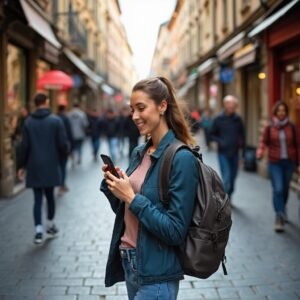
Download offline maps to avoid roaming charges. Google Maps allows you to download maps for offline use, and apps like Maps.me offer completely free offline navigation without requiring internet access.
Use budgeting apps to track your expenses in real-time. Apps like Trail Wallet are specifically designed for travelers and help you monitor daily spending across different categories.
Take advantage of free Wi-Fi in cafes, libraries, and public spaces. But be cautious about security – use VPN services when connecting to public Wi-Fi to protect your personal information and financial data.
🌍 Sustainable Travel on a Budget
Traveling sustainably doesn’t have to be expensive. Choose eco-friendly accommodations that prioritize sustainability – many hostels and budget hotels now offer green options that are both affordable and environmentally conscious.
Use public transportation instead of renting cars or taking taxis. Not only is it cheaper, but it’s also better for the environment. Many cities now have excellent bike-sharing programs that are affordable and fun to use.
Support local businesses and markets instead of international chains. This not only saves you money but also contributes to the local economy and provides more authentic cultural experiences.
Minimize single-use plastics by carrying reusable water bottles, shopping bags, and utensils. Many countries now charge for plastic bags, so bringing your own can save you money while helping the environment.
Consider slow travel – spending more time in fewer destinations. This reduces transportation costs and allows you to deeper explore each location, often leading to more meaningful experiences and better deals on accommodations.
🎒 Packing Smart to Save Money
What you pack can significantly impact your travel budget. Pack versatile clothing that can be mixed and matched to create multiple outfits. Choose neutral colors that work well together and can be dressed up or down.
Bring essential items that you’d otherwise have to buy at tourist prices. This includes medications, toiletries, chargers, and adapters. Buying these items at your destination can be significantly more expensive.
Pack a reusable water bottle, coffee cup, and utensils. Many places charge extra for disposable items, and having your own can save you money while reducing waste.
Consider packing light to avoid baggage fees. Budget airlines often charge extra for checked bags, so traveling with just a carry-on can save you $50-100 per flight.
Don’t forget about laundry options. Many hostels offer laundry facilities, and some accommodations provide laundry services. Packing quick-dry fabrics allows you to do laundry easily and avoid paying for expensive hotel laundry services.
🗓️ Timing Your Travel for Maximum Savings
When you travel can make a huge difference in your budget. Avoid peak season prices by traveling during shoulder seasons – the periods just before or after the main tourist season. You’ll get better prices and fewer crowds.
Be flexible with your travel dates. Flying mid-week is almost always cheaper than flying on weekends. Use date-range searches to find the cheapest dates to fly.
Consider off-season destinations. While some places are expensive in their peak season, they offer incredible value during their low season. For example, ski resorts are expensive in winter but affordable in summer, and beach destinations are pricey in summer but cheap in winter.
Look for last-minute deals on accommodations and activities. Many platforms offer significant discounts for last-minute bookings, especially for properties and experiences that haven’t been fully booked.
Be aware of local holidays and events. While these can be great experiences, they often come with higher prices and limited availability. Plan around major holidays or embrace them for the unique cultural experience they offer.
🛡️ Protecting Your Travel Budget
Protecting your money is just as important as saving it. Use multiple payment methods – don’t rely on a single credit card or cash. Bring a mix of cards, cash, and digital payment options to ensure you always have access to funds.
Keep digital and physical copies of important documents. Store copies in your email, cloud storage, and with a trusted contact back home. This protects you in case of loss or theft.
Use secure payment methods whenever possible. Credit cards offer better fraud protection than debit cards, and many travel insurance policies cover credit card fraud. Consider using virtual credit cards for online bookings for added security.
Be aware of common travel scams. Research common scams in your destination and learn how to avoid them. This includes taxi scams, street performer tricks, and fake police encounters.
Consider travel insurance for expensive trips. While it adds to upfront costs, it can save you thousands if something goes wrong. Look for comprehensive coverage that includes medical emergencies, trip cancellations, and lost luggage.
🏆 Final Tips for Budget Travel Success
Traveling on a budget doesn’t mean missing out – it means being smart about your spending. The key is planning ahead, being flexible, and knowing where to splurge and where to save. Remember that some experiences are worth the extra cost, while others can be found for free or at a discount.
Use the ToTourist app to plan your perfect budget trip. Our AI-powered travel planner helps you find affordable destinations, create cost-effective itineraries, and discover hidden gems that won’t break the bank. Download the app today and start planning your next adventure: Download ToTourist for Android
Traveling on a budget opens up a world of possibilities. With these strategies, you can explore more destinations, stay longer, and create unforgettable memories without the financial stress. Start implementing these tips today and watch your travel budget stretch further than ever before!
Remember, the best travel experiences often come from unexpected moments and local connections, not expensive tourist traps. Be open to new experiences, embrace the unexpected, and let your budget guide you to authentic adventures around the world.