





💰 Why Saving Money on Travel Matters More Than Ever
Let’s face it – travel isn’t getting cheaper. Flight prices are climbing, accommodation costs are soaring, and that dream trip you’ve been planning might feel increasingly out of reach. But here’s the good news: smart travelers know that it’s not about spending less – it’s about spending smarter. With the right strategies, you can explore the world without breaking the bank and still have incredible experiences.
The key is being intentional about every aspect of your trip. From when you book to how you pack, from where you eat to how you get around – each decision impacts your budget. The difference between a $3,000 trip and a $1,500 trip often comes down to knowledge and planning, not sacrificing quality. In 2026, with inflation affecting destinations worldwide, mastering these money-saving techniques is more valuable than ever.

✈️ 1. Book Flights on Tuesday Afternoons
This isn’t just an old wives’ tale – it’s backed by data. Airlines release their weekly sales on Monday nights, and by Tuesday afternoon, competitors have matched or undercut those prices. Tuesday between 2 PM and 6 PM EST is statistically the sweet spot for domestic and international flight deals. If you’re flexible with dates, this simple timing hack can save you 10-15% on airfare alone.
Also, clear your browser cookies before booking or use incognito mode. Airlines track your searches and may raise prices for routes you’ve repeatedly looked at. For the best deals, set up price alerts on Trip.com and book when prices dip.
📅 2. Shoulder Season Travel
Everyone wants to visit Europe in July and Southeast Asia in December. That’s precisely why those times are expensive. Shoulder seasons – the weeks just before and after peak periods – offer sweet spots for budget travelers. You’ll still get decent weather, fewer crowds, and significantly lower prices on everything from flights to hotels.
For example, visit the Mediterranean in late May or early September instead of July-August. You’ll enjoy warm sunshine, skip the tourist crush, and pay half the hotel rates. The same logic applies worldwide: cherry blossoms in Tokyo two weeks before peak, Caribbean cruises in late November, and Bali in shoulder season months. You’ll have more authentic experiences too, when locals aren’t overwhelmed by peak-season crowds.
🏨 3. Alternative Accommodation Hacks
Hotels aren’t your only option, and they’re rarely your cheapest. Consider these alternatives: vacation rentals for longer stays (often 30-40% cheaper than hotels), hostels with private rooms (comfortable yet budget-friendly), and house-sitting opportunities where you stay free in exchange for pet care. Websites like TrustedHousesitters connect travelers with homeowners worldwide.
For short stays, look for business hotels in city centers – they’re empty on weekends and slash rates to fill rooms. Also consider booking accommodations through Trip.com for exclusive member discounts. The savings add up quickly, especially for week-long stays.
🍜 4. Eat Like a Local, Not a Tourist
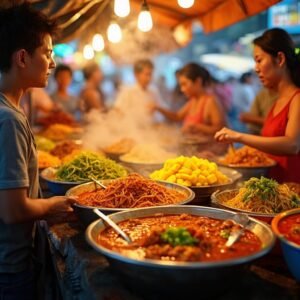
Restaurant meals in tourist areas are notoriously overpriced. The solution? Eat where locals eat. Walk 3-5 blocks away from main attractions to find authentic, affordable local eateries. You’ll discover hidden gems, experience genuine culture, and pay half what tourists pay in restaurant-lined squares.
Lunch is also significantly cheaper than dinner in most countries, so make lunch your main meal. Take advantage of lunch specials and prix-fixe menus. In many European cities, a three-course lunch costs less than a dinner entrée in tourist zones. Also, shop at local markets for fresh, budget-friendly ingredients. Picnic lunches, hotel room breakfasts from grocery stores, and trying street food from reputable vendors can slash your food budget by 40%.
🚌 5. Master Public Transportation
Taxis, Ubers, and airport transfers bleed your budget dry. Every major city has an efficient public transportation system that costs a fraction of private rides. Research transit passes before you arrive – day passes, weekly cards, and tourist transport cards often pay for themselves after just 2-3 rides.
Don’t be intimidated by subway systems or bus routes. Download transit apps that provide real-time schedules and route planning. In cities like Tokyo, London, and Paris, public transport is faster and more reliable than cars during peak hours. For airport transfers, use shared shuttle services or express trains instead of private cabs. This one shift can save you hundreds on a week-long trip.
🎫 6. Free Walking Tours and City Cards
Most major cities offer free walking tours where you pay what you think the tour was worth. These tours provide excellent overviews, insider tips, and recommendations from local guides. Take these tours early in your visit to get oriented and discover neighborhoods worth exploring further. You’ll learn which attractions are worth paying for and which you can skip.
For paid attractions, research city cards before buying. City cards bundle museum entries, public transport, and discounts at restaurants – sometimes saving 50% if you plan to visit multiple sites. However, calculate the actual savings based on your itinerary. If you only plan to visit two museums, buying individual tickets might be cheaper than a city pass.
📱 7. Use Travel Planning Apps
Technology is your best budget ally. The ToTourist app uses AI to plan complete trip itineraries in seconds, optimizing routes to save time and money. It finds the most efficient sequence of activities, minimizing transportation costs and maximizing your experience. By clustering nearby attractions and suggesting the most cost-effective transportation options, you can save significantly on logistics.
Download offline maps to avoid data charges. Use currency converter apps for instant price comparisons. Restaurant apps reveal local favorites and current specials. Trip planning apps like ToTourist also suggest budget-friendly alternatives to expensive activities, free events happening during your visit, and optimal timing to avoid crowds at popular attractions.
💳 8. The Right Credit Cards
Using the wrong credit card abroad costs you in two ways: foreign transaction fees (typically 3%) and terrible exchange rates. Travel credit cards waive foreign transaction fees and offer competitive exchange rates, saving you 3-5% on every purchase. Over a $2,000 trip, that’s $60-$100 in pure savings just from using the right card.
Look for cards with no foreign transaction fees and good travel rewards. Some offer bonus points for travel spending, which can offset future trip costs. However, always notify your bank before traveling to avoid declined transactions. Consider carrying a backup card from a different bank – if one gets blocked (common for foreign transactions), you’ll have alternatives.
📦 9. Pack Light and Smart
Airlines charge increasingly steep fees for checked bags. Traveling with just carry-on luggage saves $30-$60 per flight each way – that’s up to $120 on a round trip. More importantly, you’ll skip baggage claim, eliminate lost luggage risks, and have maximum mobility during your trip. Light packing also eliminates impulse shopping – you literally can’t buy souvenirs you can’t carry home.
Master the art of minimalist packing using versatile, layering clothing pieces. Research laundry services at your destination – washing clothes mid-trip is cheaper than checking bags. Use packing cubes to maximize space. Remember: every destination sells the essentials you might forget. Don’t pack for every hypothetical scenario – pack for your planned itinerary and embrace adaptability.
🧳 10. Airport Transfer Alternatives
Airport transfers from your hotel or private services typically cost $50-$150 each way. Shared shuttle services, airport express trains, and public buses cost 80-90% less. Research your options before you arrive – most airports have websites detailing all transfer methods with current prices and schedules.
For example, taking the Heathrow Express into London costs $28, while a private transfer is $90+. In Bangkok, the airport rail link costs $1.50 versus $30+ for taxis. The savings add up quickly, especially on round trips. If you’re traveling with a group and must take a taxi, use ride-sharing apps to avoid airport taxi surcharges and ensure transparent pricing.
🎒 11. Travel Insurance vs. Self-Insurance
This is controversial, but hear me out. For young, healthy travelers on short trips, travel insurance costs 5-8% of trip value. Sometimes self-insuring makes financial sense. Have an emergency fund accessible worldwide (some banks offer emergency card replacement). Understand what your existing credit cards and health insurance already cover when traveling.
However, for expensive trips, older travelers, or destinations with high medical costs, travel insurance can be invaluable. Medical evacuation alone can cost $50,000-$100,000+. Research insurance that offers medical evacuation coverage. For adventure activities (skiing, scuba diving), ensure your policy covers them. The key is making an informed decision based on your specific situation, not blindly buying or skipping insurance.
🌍 12. Currency Exchange Strategies
Airport currency exchanges and hotel desks offer terrible rates. Never exchange money at airports – you’ll lose 5-10% immediately. Instead, use ATMs at your destination for the best exchange rates. Your bank’s foreign ATM fee (typically $5) is usually cheaper than currency exchange markups.
Withdraw larger amounts less frequently to minimize ATM fees. Notify your bank before traveling to ensure your card works abroad. Some countries have dynamic currency conversion (DCC) at ATMs and card machines – always choose to pay in local currency, not your home currency. DCC rates are terrible, and you’ll end up paying significantly more.
🏖️ 13. Free Beaches Over Beach Clubs
In destinations like the Mediterranean and Caribbean, beach clubs charge $30-$100 for day access. Public beaches are often just as beautiful and completely free. Research free beach options before you visit. In destinations where public beaches are limited, arrive at beach clubs early when they offer discounted morning rates.
The same principle applies to other attractions. Rooftop bars with cover charges often have nearby free viewpoints with the same vistas. Beach clubs with minimum spends can be replaced by buying drinks at a seaside café and finding a spot on the public sand. You’re paying for the atmosphere, not necessarily a better experience. Sometimes the free option offers more authenticity and fewer crowds.
🎪 14. Free Cultural Experiences
Museums and attractions are great, but some of the best cultural experiences cost nothing. Many cities have free museum days, free outdoor concerts, free festivals, and free walking tours. Research what’s happening during your visit. The experience of wandering through local markets, people-watching in squares, or exploring neighborhoods costs nothing but offers genuine cultural immersion.
Parks, gardens, and beaches are free in most cities. Religious buildings often have free entry (though donations are appreciated). Street art districts provide free visual experiences. Many attractions have free audio guides available through apps or QR codes. The best travel memories often come from spontaneous, unplanned moments that cost nothing – embrace them.
🛍️ 15. Souvenir Strategy
Tourist trap shops sell overpriced, mass-produced souvenirs you won’t care about in a year. Shop where locals shop for authentic, affordable items. Local markets offer handicrafts at much better prices than airport souvenir shops. Food products make great, practical souvenirs – local spices, wine, olive oil, or sweets cost less than trinkets and are actually useful.
Consider experiential souvenirs instead of physical items. A cooking class, local craft workshop, or performance ticket creates lasting memories and costs less than accumulating physical stuff. If you must buy souvenirs, buy them at the end of your trip – you’ll know what you actually miss and what you don’t, preventing impulse purchases. Remember: memories are the best souvenirs, and they’re free.
🚀 Putting It All Together: Your Budget Travel Plan
Here’s the beautiful thing about these strategies: they’re cumulative and compound on each other. Booking flights on Tuesday AND staying in alternative accommodations AND eating locally AND using public transport can cut your total trip cost by 40-50% without sacrificing experience quality. The key is implementing multiple strategies, not just one or two.
Start planning early to take advantage of shoulder seasons and flight deals. Use the ToTourist app to optimize your itinerary and cluster activities efficiently. Research your destination thoroughly before you arrive – knowledge is your biggest money-saving asset. Don’t be afraid to ask locals for budget tips – they know the best hidden gems and affordable spots that tourists never discover.
🎯 Final Thoughts: Smart Travel > Cheap Travel
Remember, the goal isn’t deprivation – it’s optimization. You can still enjoy amazing experiences, stay in comfortable places, and eat delicious food while spending less. The difference lies in knowledge, planning, and making informed choices. Smart travelers get more value for every dollar, while still having incredible adventures.
Ready to plan your budget-friendly adventure? Download the ToTourist app to create optimized itineraries that save you time and money. Plan smarter, travel further, and make every dollar count. The world is waiting – and now you know how to explore it without breaking the bank.